
Canada Visitor Visa 2026: Do Newcomers Still Need One?
Planning a trip to Canada in 2026? Learn whether you need a visitor visa or an eTA, plus fees, documents, and a step-by-step online application guide.
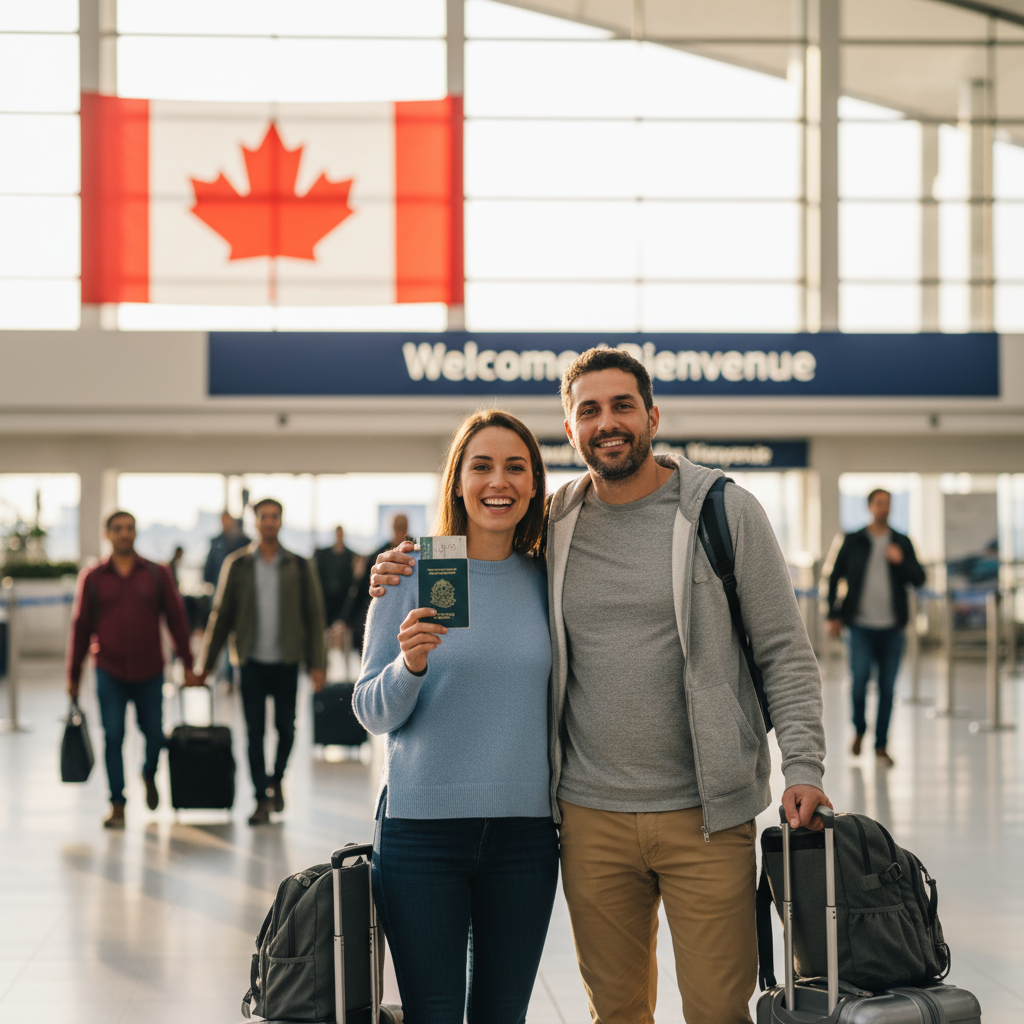
For most travellers, entry to Canada is not automatic. If you are planning a visit in 2026, you will likely need either a visitor visa (Visitor Visa / TRV) or, in specific cases, an eTA (Electronic Travel Authorization). Some travellers who have held a valid Canadian visa within the last 10 years, or who hold a valid U.S. visa, may be able to fly to Canada with just an eTA. But that is not a full visa exemption, and requirements vary by nationality — check your eligibility.
What Is the Difference Between a Visitor Visa and an eTA?
The visitor visa (Visitor Visa, or TRV — Temporary Resident Visa) is a document placed in your passport that authorizes entry to Canada. The eTA (Electronic Travel Authorization) is an electronic authorization linked to your passport — no sticker, no extra stamp.
The practical difference is significant: the visitor visa requires a detailed application, financial documents, an invitation letter (in some cases), and can take weeks to process. The eTA, by contrast, costs less, is requested online in minutes, and is usually approved within a few days — sometimes the same day.
- Fee: Visitor Visa (TRV) is around $100 CAD; the eTA is around $7 CAD.
- Validity: the TRV can be valid up to 10 years (or until your passport expires); the eTA up to 5 years (or until your passport expires).
- Biometrics: required for the visitor visa (around $85 CAD); not required for the eTA.
- Travel by land: accepted with the visitor visa; the eTA is valid for air travel only.
One point that confuses many people: the eTA is only valid for air travel. If you plan to enter Canada by land, you need the visitor visa even if you qualify for the eTA. Fees verified April 2026; source: IRCC.
When Can You Enter Canada With Just an eTA?
You may be able to use an eTA instead of a visitor visa if you meet at least one of these conditions when travelling by air:
- You have held a valid Canadian visa (TRV) within the last 10 years — even if it has expired, as long as the expiry is within 10 years.
- You hold a valid U.S. non-immigrant visa at the time of travel.
If you have never held a Canadian visa and do not have a valid U.S. visa, you will likely need to apply for the standard visitor visa. Requirements vary by nationality — check your eligibility before you book anything.
Note: an eTA does not guarantee entry to Canada. The border officer at the airport can still refuse entry if they believe you do not meet admission requirements. Always keep your supporting documents on hand.
If you are planning your move with a spouse — as many of you reading this are — understanding this difference is essential. If one of you holds a valid U.S. visa and the other does not, each may need a different document for the same trip. Plan together.
How Much Do the Visitor Visa and eTA Cost in 2026?
Your total cost depends on which document you need. Here is the full breakdown:
- Visitor Visa (TRV) processing fee: around $100 CAD per person.
- Biometrics: around $85 CAD per person; valid for 10 years.
- eTA: around $7 CAD per person; no biometrics.
- Visa photo: roughly $15–25 CAD; may vary by provider.
- Certified translation (if required): variable, depending on the document.
Data verified April 2026. Check the official IRCC website for the most current information.
For a couple applying for the visitor visa for the first time, the total cost is around $370 CAD — two processing fees ($200) plus two sets of biometrics ($170). If you have already given biometrics within the last 10 years, you do not need to repeat them. If you both qualify for the eTA, the couple’s total drops to around $14 CAD. The difference is dramatic.
Documents You Need for the Visitor Visa in 2026
This is where many people get stuck. The list looks long, but if you organize everything before you start, the process flows well.
- Valid passport — must remain valid throughout your planned stay in Canada.
- Form IMM 5257 (Application for Temporary Resident Visa) — completed online.
- Form IMM 5645 (Family Information).
- Two recent photos — in the IRCC standard (35mm x 45mm, white background).
- Proof of financial means — bank statements from the last 3–4 months, pay slips, tax returns.
- Proof of ties to your home country — employment contract, school enrolment, property deed, marriage certificate.
- Travel itinerary — flights (a reservation is fine), hotel, plan.
- Invitation letter (if applicable) — if someone in Canada is inviting you.
- Proof of fee payment ($100 CAD + $85 CAD biometrics).
Practical tip: IRCC does not require certified translations of every document, but documents in another language may be requested with a translation. We recommend translating at least your bank statements and employer letter. Better to prevent than to have your application returned.
For couples, each person submits an individual application, but you can reference one another on the forms. If you are travelling together, make that clear in your letter of purpose.
Step-by-Step: Applying for the Visitor Visa Online in 2026
The entire process is done online through the IRCC portal. You do not need to visit a consulate — except for biometrics.
Step 1: Create your IRCC account. Visit the IRCC online portal and create an account using GCKey or a sign-in partner. Each person needs their own account.
Step 2: Answer the eligibility questionnaire. The system asks what you want to do in Canada. Select “Visit” and answer the questions. At the end, it generates a personalized list of documents you need to upload.
Step 3: Fill in the forms. Download and complete IMM 5257 and IMM 5645. Use Adobe Acrobat Reader (the form is interactive and does not work well in other PDF readers). Complete it in English or French.
Step 4: Scan and upload your documents. Upload everything to the portal. Each file can be up to 4 MB. Accepted formats: PDF, JPG, TIFF, PNG, DOC.
Step 5: Pay the fees. $100 CAD (processing) + $85 CAD (biometrics) = $185 CAD per person. Pay by international credit card.
Step 6: Give your biometrics. After payment, you receive a biometrics instruction letter. Biometrics are collected at a Visa Application Centre (VAC). You have 30 days to attend after receiving the letter.
Step 7: Wait for the decision. IRCC reviews your application. If approved, you send your passport to the VAC to have the visa placed inside. If refused, you receive a letter with the reasons.
Important: do not buy plane tickets before your visa is approved. We know the anticipation is hard, but it is the safest approach. Many people lose money buying tickets early only to have the visa refused.
Current Processing Time for the Visitor Visa
Visitor visa processing currently runs around 27 days for many applicants (data from April 2026, per the IRCC processing tool). This can vary — during high-demand periods (such as before the Canadian summer), it can rise to 40–60 days. Processing times vary by nationality and country of application, so check your specific case.
For the eTA, processing is usually minutes to 72 hours. In cases requiring extra review, it can take a few weeks, but that is rare.
Other timelines to plan for: booking a biometrics appointment at a VAC typically takes 1–2 weeks, and sending your passport to the VAC after approval (for visa placement) takes around 5–10 business days. Data verified April 2026; check the IRCC processing-time checker for the latest.
Planning for couples: if you are both applying together, submit your applications on the same day. It does not guarantee they will be processed together, but it helps. Start the process at least 2–3 months before your planned travel date.
The fear of a visa refusal is real — we hear it from many people. The best way to avoid a refusal is to demonstrate strong ties to your home country (employment, family, property) and sufficient financial means. The officer needs to be convinced that you will return.
Special Cases: Transit, Connections, and Layovers in Canada
If you are only making a connection in Canada (for example, flying onward to another country with a layover in Toronto), you may need a Transit Visa or an eTA, depending on your situation and nationality.
Transit Without Visa (TWOV): this program is restricted to citizens of specific countries on specific routes, so not everyone qualifies automatically. Requirements vary by nationality — check your eligibility.
So what do you need for a connection in Canada?
- If you have a valid U.S. visa or a Canadian visa issued in the last 10 years: apply for the eTA (around $7 CAD). Simple and fast.
- If you have neither: you will likely need the full visitor visa ($100 CAD + $85 CAD biometrics), even for a 2-hour connection.
This catches many people by surprise. Imagine buying a cheap ticket with a layover in Montreal, then discovering at check-in that you need a Canadian visa. Always verify before you buy the ticket.
Tip: if you are planning an exploratory trip to Canada before you move — which we always recommend — apply for the visitor visa well in advance. That trip can be decisive in choosing the city where you will live.
Frequently Asked Questions (FAQ)
Do I need a visa to visit Canada in 2026?
Most travellers need a visitor visa (TRV) or, if eligible, an eTA to enter Canada in 2026. Requirements vary by nationality — check your eligibility.
What is the difference between an eTA and a visitor visa?
The eTA is an electronic authorization that costs around $7 CAD, is approved quickly, and is valid for air travel only. The visitor visa costs around $100 CAD (plus $85 CAD biometrics), requires more documents, and is valid for entry by air and by land.
How do I know if I can use the eTA instead of the visa?
You may be able to use the eTA if you hold a Canadian visa issued in the last 10 years (even if expired) or a valid U.S. visa. Otherwise, you will likely need the visitor visa.
How much does the Canadian visitor visa cost in 2026?
The processing fee is around $100 CAD per person. Biometrics cost an additional $85 CAD. Total per person: around $185 CAD.
How long does it take to get the Canadian visitor visa?
Processing currently runs around 27 days for many applicants as of April 2026. Add 1–2 weeks for biometrics and 5–10 business days for visa placement in the passport.
Can I enter Canada by land with an eTA?
No. The eTA is valid only for air travel. If you enter Canada by land, you need the visitor visa.
Do I need a Canadian visa to make a connection in Canada?
Usually yes, unless you qualify for the eTA (with a recent Canadian visa or a valid U.S. visa). Travellers without these documents typically need the full visitor visa even for connections. Requirements vary by nationality.
Does the visitor visa let me work in Canada?
No. The visitor visa allows only tourism, family visits, and limited business travel. To work, you need a Work Permit. To study programs longer than 6 months, you need a Study Permit.
Sources
- IRCC — Visitor Visa (Temporary Resident Visa): canada.ca
- IRCC — Electronic Travel Authorization (eTA): canada.ca
- IRCC — Check processing times: canada.ca
- IRCC — Fees for temporary residence: canada.ca
- IRCC — Biometrics: canada.ca
- IRCC — Transit through Canada: canada.ca
Follow Daitana on Instagram @daitana.aguilar and subscribe on YouTube @daitanaaguilar for more content about immigrating to Canada. Have questions about your move? The Daitana concierge and the Comfort Living team are here to guide you and your family every step of the way.